

Plenty of Australians are putting money into their homes. According to the Australian Bureau of Statistics, approved residential alterations and additions were worth around $1.28 billion in August 2026, on a seasonally adjusted basis.
Yet not every renovation adds value, and some cost much more than they add to a property’s selling price.
Getting it right starts with understanding what buyers want and what your home needs, as well as how much the local market can support.
Here is how to approach property improvements in seven practical steps.
1. Understand what adds value to your property
Before making changes, start with what your goals are.
Are you preparing to sell, looking to attract tenants or planning to stay in your home for another decade?
Each situation changes how the value of an improvement might be measured.
For someone preparing to sell, buyer appeal and the potential resale price may be the priority.
For a long-term homeowner, improvements that make a property more affordable to maintain can be just as valuable.
It also helps to separate improving a home from increasing its market value. A renovated bathroom might make everyday life easier without a future buyer paying enough extra to cover the cost.
Some improvements do both. Others just benefit the people living there.
Before committing any money, ask yourself three questions:
- What is not working in the property today?
- What would make it more appealing to future buyers?
- How much would those improvements reasonably cost?
2. Research your local property market
Understanding your local market is one of the most important steps when planning to add value to a property.
What appeals to buyers in one suburb may be less important in another.
If you have a family home near schools, you may attract buyers looking for additional bedrooms, storage and outdoor space.
If you have an inner-city apartment, that may appeal more through its layout, natural light and low-maintenance features.
Start by looking at recently sold properties that are genuinely comparable to yours. Check their location, land size, condition, number of bedrooms and bathrooms, parking and outdoor areas.
Look closely at how renovated homes compare with unrenovated ones that are otherwise similar
If renovated three-bedroom homes consistently sell for more than above comparable homes needing work, buyers may be placing more value on updated interiors.
That said, the gap could also reflect other features or changing market conditions.
An experienced local real estate agent or independent property valuer may help provide additional context.
The aim is to develop a more educated view of which improvements the market may recognise.
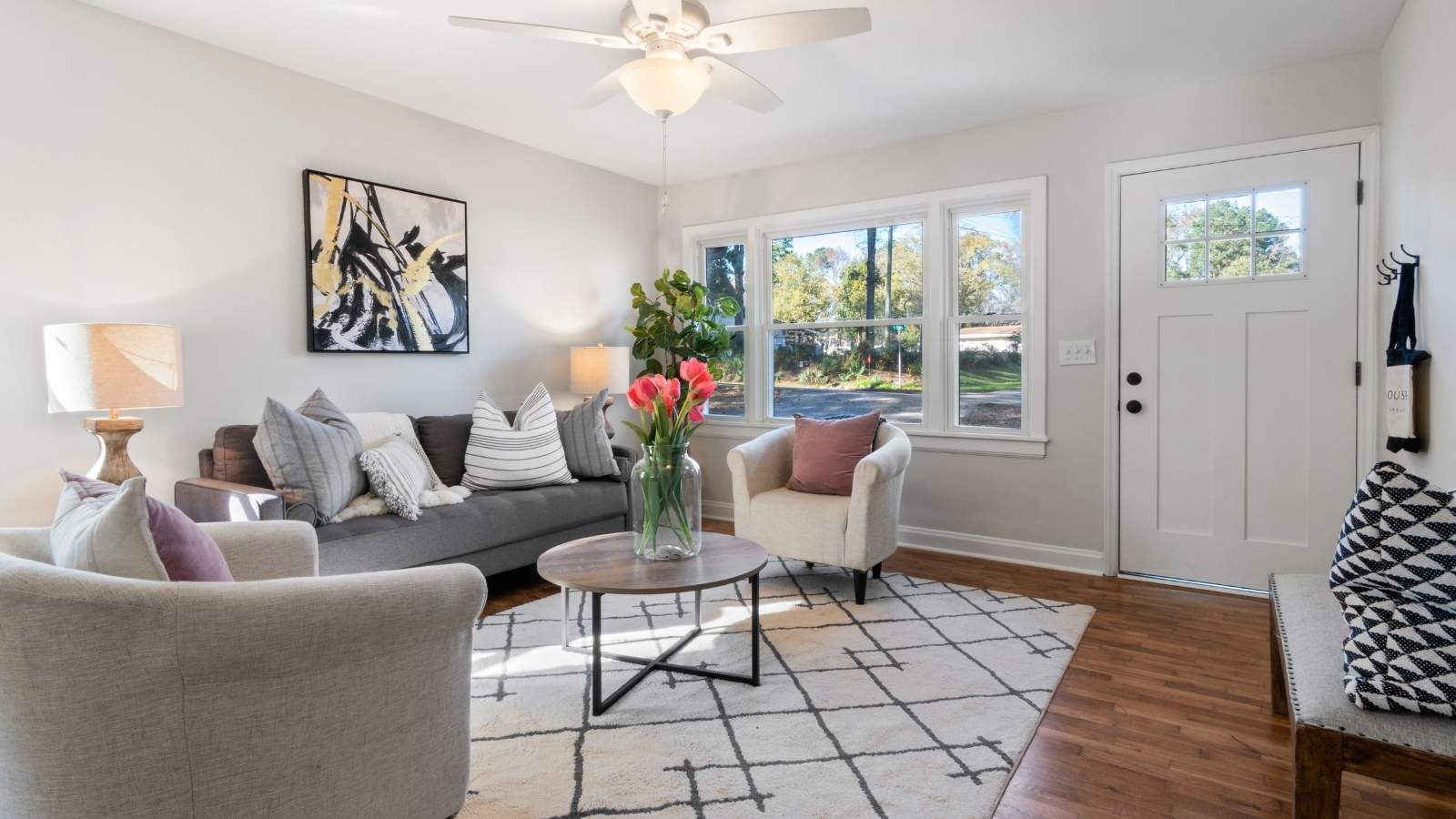
3. Start with repairs and low-cost improvements
Adding value does not always require major construction work.
Sometimes, addressing maintenance issues and improving presentation may be a more sensible starting point.
Before any cosmetic work, check for problems like roofing faults, leaks, drainage issues and damaged flooring. Structural issues, electrical work, plumbing and potential asbestos all need professional inspection or licensed tradespeople. Once the essential repairs are sorted, smaller improvements can make a noticeable difference to the home’s overall appearance.
These might include:
- Refreshing the paintwork
- Replacing worn fittings
- Repairing damaged doors
- Improving lighting
- Tidying overgrown gardens
Also consider the street appeal. The entrance, driveway, fencing and front garden contribute to a buyer’s first impression of your property, before they even step inside.
The key takeaway is that there is a difference between spending to improve the property’s condition and spending simply to make it look expensive.
A clean, well-maintained home can appeal to buyers without a full renovation.
4. Focus on kitchens, bathrooms and functional spaces
Buyers tend to look closely at kitchens and bathrooms because they are used every day and can be expensive to replace.
However, a full renovation is not always necessary to add property value.
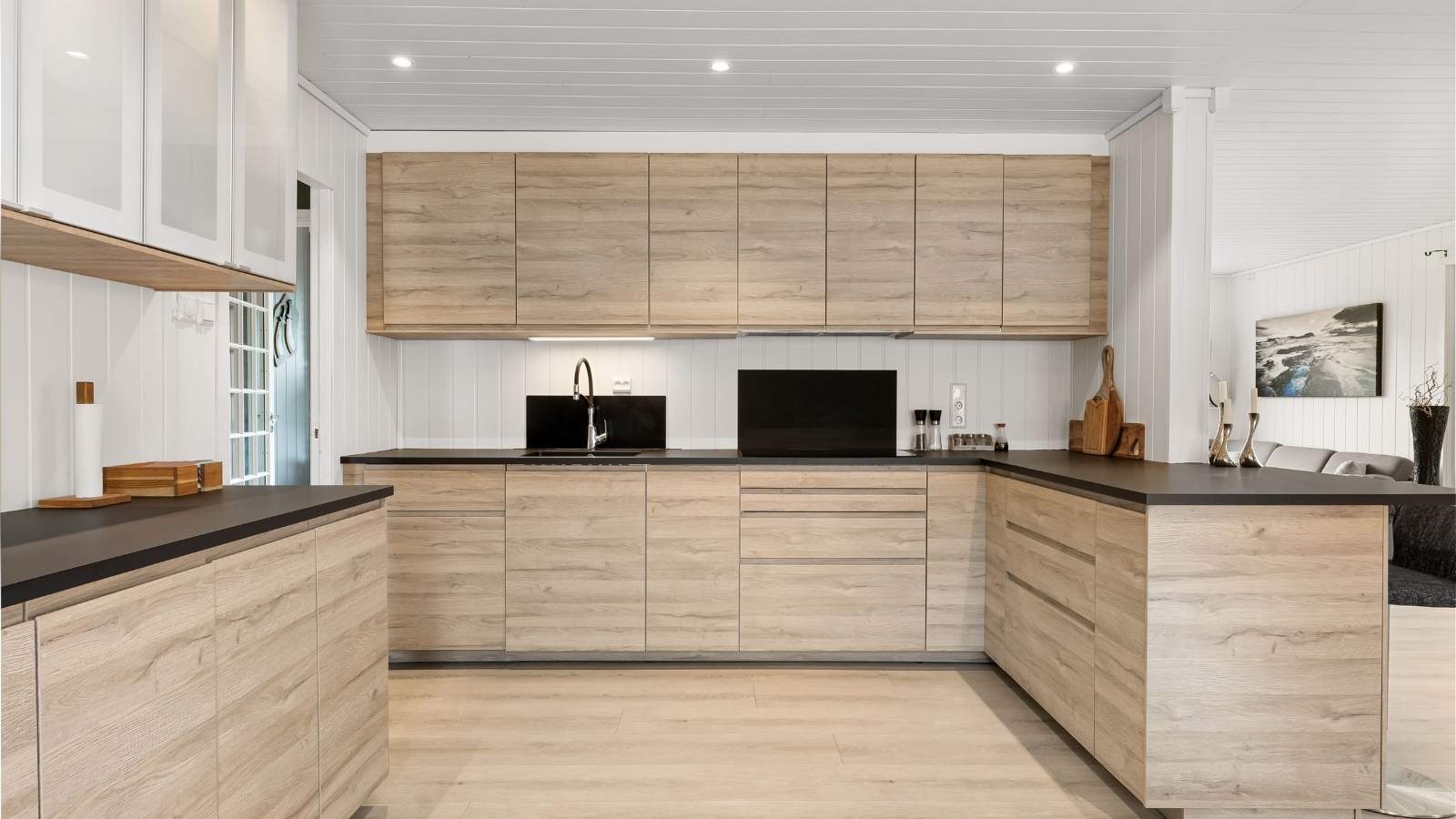
A kitchen with a practical layout and quality cabinetry may only need new cupboard fronts, improved lighting or replacement benchtops.
A bathroom in good condition might need a cosmetic refresh rather than a rebuild.
Where waterproofing, plumbing or structural problems exist, professional assessment becomes more important than appearance alone.
The aim is to improve how the space looks and functions, while remaining realistic about the property’s price range.
For example, installing an expensive designer kitchen in a modest home may not result in buyers paying a premium price.
Functionality matters too. Buyers often notice inadequate storage, awkward room layouts, limited bench space and areas that are difficult to furnish.
Thoughtful changes to these features may improve how the property feels without requiring additional floor space.
Ultimately, improvements need to suit the home and its likely buyers, rather than follow renovation trends.
5. Improve comfort, energy efficiency and outdoor appeal
How comfortable a home is to live in can influence its appeal as much as how it looks.
For Australian homeowners, this can mean considering insulation, ventilation, natural light, window shading and energy-efficient fixtures.
A home that stays comfortable through hot summers and cooler winters may appeal to buyers who are conscious of ongoing household expenses.
The Australian Government’s YourHome guide to renovations and additions identifies opportunities to improve thermal comfort, energy performance and liveability when renovating.
These changes do not need to be expensive.
Draught sealing, suitable window coverings, lighting improvements and repairs to existing heating or cooling systems may help address everyday problems.
Outdoor areas also deserve attention, particularly when they extend the home’s usable living space. A tidy garden, functional entertaining area, shade or easy flow between indoor and outdoor spaces can make a property feel more inviting.
Major landscaping projects, swimming pools or extensive outdoor renovations may not deliver the same value in every market.
6. Set a realistic budget and avoid overcapitalising
One of the biggest risks when trying to add value to a property is overcapitalising.
Overcapitalising happens when the amount you spend on improvements is more than the additional value they provide.
It is easy to underestimate the total cost of renovations. A realistic budget accounts for often overlooked costs before work begins.
Consider this hypothetical example of a homeowner planning cosmetic improvements:
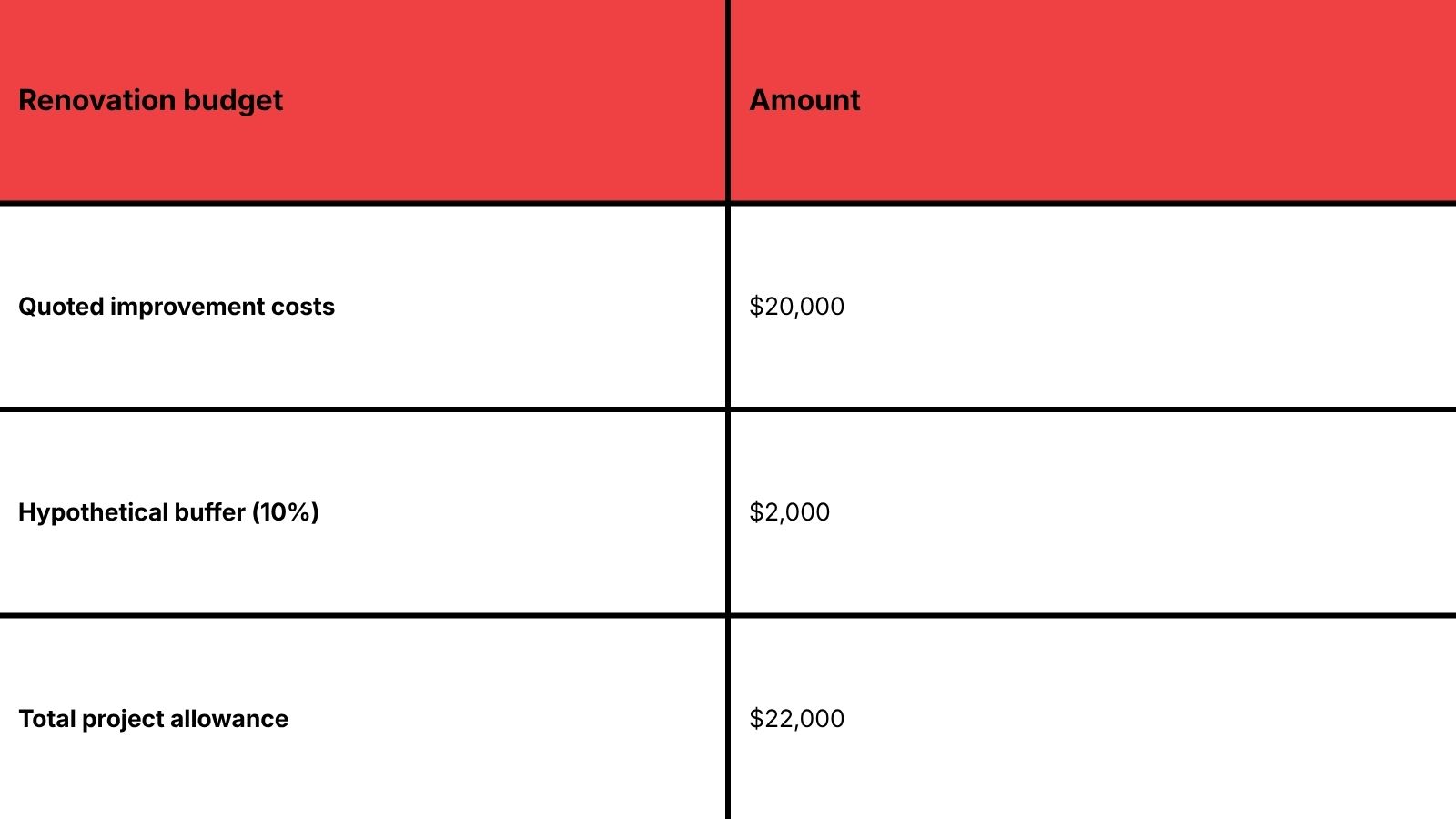
If those improvements added only $15,000 to the property’s eventual selling price, the homeowner would be $7,000 behind.
If they contributed $30,000, the difference would be $8,000 above the project cost, before selling expenses, finance costs and other relevant costs.
These figures are just a guide. Actual costs and changes in market value can differ significantly.
This is why renovation spend and increased property value should not be treated as interchangeable.
Getting detailed quotes, comparing recently sold properties and understanding ongoing household expenses can provide a clearer starting point.
ASIC’s Moneysmart budget planner can also help households assess renovation spending alongside their other financial commitments.

7. Check approvals, financing and timing before starting
Even a well-planned renovation can get complicated if approvals, building requirements or financing have not been considered early.
Renovations may require council planning permission, building approval or approval from an owners corporation.
Requirements vary across Australian states and territories, particularly for structural changes, extensions and strata properties.
Comparing tradespeople, understanding what is included in contracts and allowing for possible delays can help reduce unexpected costs.
For homeowners considering larger projects, financing is another important part of the decision.
Some may fund improvements through savings, while others may explore borrowing options, including refinancing or accessing available equity.
Home equity is the difference between a property’s market value and the amount owing on it. However, that does not mean you can borrow the full amount.
Any additional borrowing is subject to lender criteria, affordability assessments and other requirements. Increasing debt can also affect repayments and the total interest paid over time.
Our refinancing guide explains how homeowners can explore their existing loan arrangements and potential equity options.
It is worth understanding these financial implications alongside the renovation itself.
Improving a property is one decision. How those improvements are funded is another, and both can affect the overall cost.
How a UFinancial finance broker can help with property improvements
Planning improvements to your home can raise questions about available equity, borrowing capacity and whether your existing home loan still suits you.
A UFinancial finance broker can explain potential financing options, their costs and how additional borrowing could affect repayments. That way you have a clearer financial picture before committing to major work.
If you are considering renovations and want to understand the lending side, you can chat to a UFinancial broker about the options available to you. Book a chat or call 03 9686 9087.
Frequently asked questions about adding value to property
What is the easiest way to add value to a property?
Smaller improvements such as fresh paint, minor repairs, improved lighting and garden maintenance can improve how a property presents without the cost of a major renovation.
Whether they increase its market value depends on the property’s existing condition, local buyer expectations and the amount spent.
Does adding an extra bedroom increase property value?
An additional bedroom may increase a property’s appeal, particularly in areas where family homes are in demand. The result depends on the layout, available floor space, compliance requirements and comparable local sales. Converting existing living space into a bedroom may also involve trade-offs.
Will renovating automatically increase my property’s bank valuation?
No. A lender’s valuation is based on the property’s estimated market value, not simply the cost of improvements. Valuers may look at comparable sales, condition, location, size and other features. Renovation spending does not automatically translate into an equivalent increase in valuation or the amount a lender is prepared to advance.
How far in advance should property improvements be planned before selling?
The timing depends on the scale of the work. Small cosmetic updates may be relatively quick, while larger renovations can involve design work, approvals, tradespeople and unexpected delays. Planning ahead allows time to compare costs, assess local market expectations and consider whether the improvements justify the expense before selling.
General advice disclaimer
Disclaimer: The content of this article is general in nature and is presented for informative purposes. It is not intended to constitute tax or financial advice, whether general or personal nor is it intended to imply any recommendation or opinion about a financial product. It does not take into consideration your personal situation and may not be relevant to circumstances. Before taking any action, consider your own particular circumstances and seek professional advice. This content is protected by copyright laws and various other intellectual property laws. It is not to be modified, reproduced, or republished without prior written consent.
UFinancial Planning representatives are authorised by Consultum Financial Advisers Pty Ltd, ABN 65 006 373 995, AFSL 230323.
Read the Financial Services Guide.
Figures are current as at 15 October 2026 and may change.

