
Energy efficiency has long been discussed as a way to reduce household running costs. But for homeowners preparing to sell their property in Australia, it is something more buyers are looking for.
In September 2026, Cotality and the Real Estate Institute of Australia (REIA) released a joint report which makes the commercial argument for energy efficiency particularly clear.
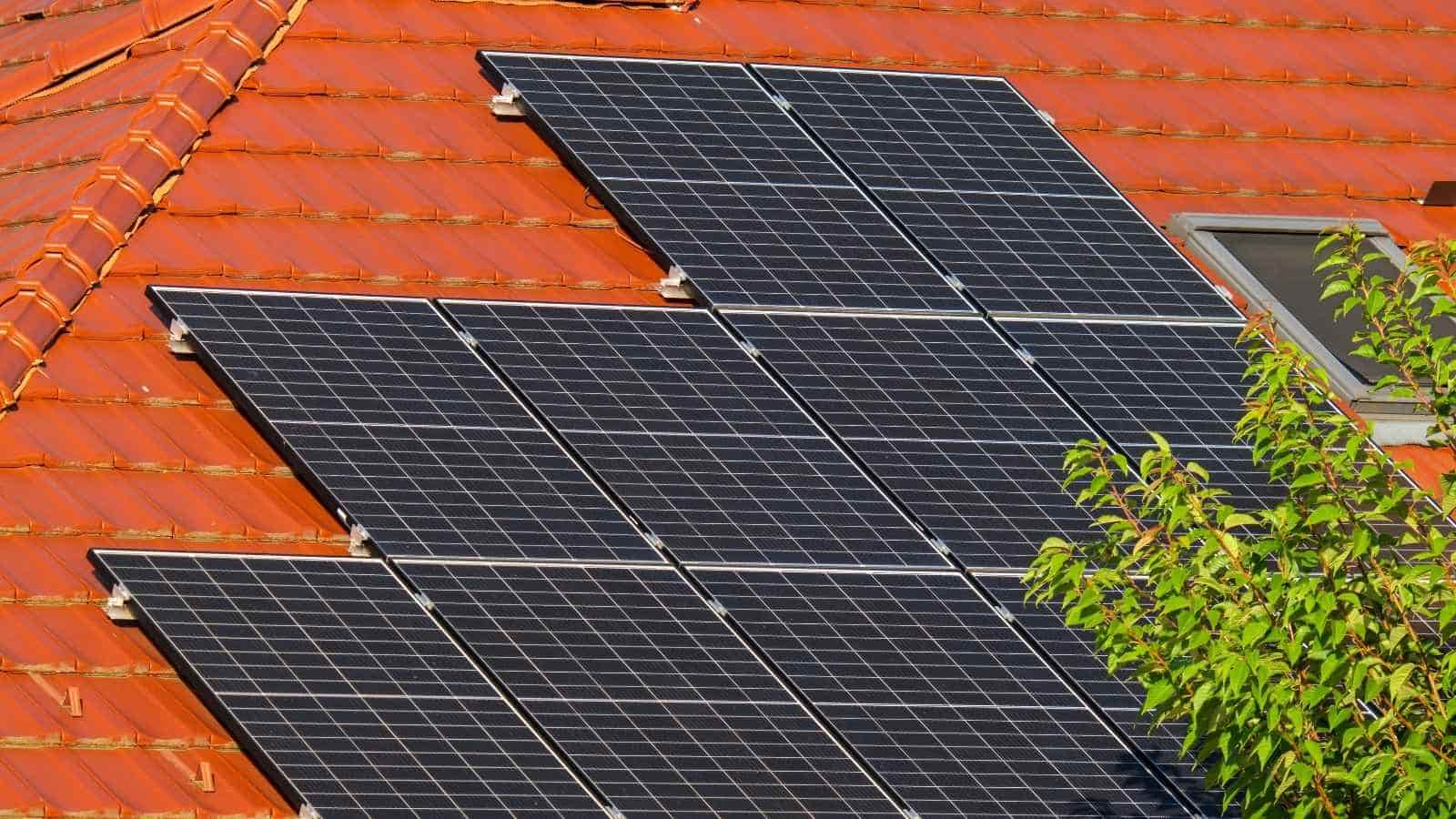
Their analysis of more than six million Australian homes found houses with solar panels achieved prices around 2.7% higher than comparable properties without solar. Separate Cotality analysis found each additional NatHERS star was associated with an estimated average 1.3% increase in value nationally.
That does not mean installing solar or improving insulation shortly before you sell your property will automatically leave you better off. Property value is never determined by one feature. Location, land, condition, layout, presentation and broader market conditions remain fundamental.
What the research does suggest is that energy efficiency can impact property values.
For homeowners considering selling over the next few years, that is worth understanding now.
Buyers are becoming more conscious of what a home costs to live in
The renewed focus on energy efficiency is partly the result of the broader conditions of Australia’s property market.
Australian households have spent several years dealing with elevated living costs, higher mortgage repayments and volatile energy prices. In the 12 months to June 2026, the ABS reported that electricity prices rose 22.4%, partly reflecting the end of government rebates. Housing costs overall increased 6.8% over the same period.
Also, borrowing conditions are tighter than they were earlier in the decade. The Reserve Bank cash rate stands at 4.35% and is widely expected to be raised again in the September RBA meeting.
This adds important context to what buyers look for in a property.
Purchase price and mortgage repayments are still the largest considerations, but buyers are likely to think about the expenses that come after settlement as well. A home that is expensive to power throughout the year can carry an ongoing cost they wish to avoid.
Cotality’s report estimates around 70% of established Australian houses, excluding apartments, perform below 4 stars under the NatHERS system, compared with the 7-star standard now applying to new homes. The same report notes that improving a home from 3 stars to 5 stars can reduce heating and cooling energy use by around 40%.
For sellers, the implication is straightforward: when buyers can more easily see how one home performs against another, energy efficiency can become a more visible point of comparison.

Solar is no longer an unusual property feature
Rooftop solar provides the clearest example of how quickly buyer expectations can change.
More than 4.3 million Australian households now have rooftop solar, according to the Clean Energy Council.
A buyer comparing two similar properties may reasonably ask what electricity bills are likely to look like, whether the existing solar system is appropriately sized, how old the inverter is, whether there is scope to add home batteries and whether major heating or cooling systems are efficient.
Cotality’s finding that solar-equipped homes achieved prices around 2.7% above comparable non-solar homes suggests those questions are already influencing market outcomes.
It is important, however, not to interpret that figure too mechanically.
A 2.7% price increase does not mean you can install a system before listing and add 2.7% to the asking price. The condition, age and capacity of the solar system, local buyer expectations and the quality and location of the home itself will all matter.
For sellers, the more useful takeaway is that solar can make your property more attractive.
Home batteries are moving rapidly into the mainstream
Home batteries are at an earlier stage than rooftop solar, but adoption is surging.
Cotality reports 454,753 home batteries installed nationally, including 183,245 between July and December 2025. The Clean Energy Council separately reported a 260% increase in home battery installations on the previous year.
Government incentives are also pushing the market forward. Since 1 July 2025, the Federal Government’s Cheaper Home Batteries Program has provided an upfront discount on eligible battery systems connected to new or existing rooftop solar. The initial discount is around 30% for eligible systems, subject to program rules and system specifications.
The strongest improvements may not be the most visible
One of the most interesting aspects of the Cotality report is its emphasis on features buyers cannot always see.
Solar panels are obvious. Insulation, draught sealing, glazing quality and thermal performance are not.
Yet those less visible characteristics can have a major impact on how comfortable and expensive a property is to live in.
Cotality notes that orientation, insulation, glazing, heating, cooling, solar, draught sealing and hot water systems collectively shape home energy performance. The difficulty is that these features have historically been inconsistently recorded in property listings, making comparison difficult.
That is beginning to change.
Stage 2 of NatHERS for Existing Homes began on 1 July 2026, establishing a nationally consistent way to assess the energy performance of existing homes. States and territories have also agreed to a nationally aligned Home Energy Ratings Disclosure Framework, although implementation and mandatory disclosure requirements still vary by jurisdiction.
As ratings and disclosure become more common, those underlying improvements may become easier to demonstrate rather than simply describe.

When you sell changes the argument for energy efficiency improvements
Timing should sit at the centre of any energy-efficiency decision made before a sale.
Consider a homeowner planning to move within six months.
A major solar and home battery installation may improve the property, but you will receive very little benefit from reduced energy bills before selling. You also face the risk that buyers do not fully value the cost of the upgrade dollar-for-dollar.
In that situation, smaller works may make more sense. Servicing an inefficient heating system, fixing draughts, improving insulation, or ensuring an existing solar system is operating properly may better balance cost and sale presentation.
This changes if you wish to sell in three years, for example, as your household can benefit from lower energy use during the years before sale while also presenting a more efficient property when it reaches the market.
Buyers may increasingly expect evidence, not just claims of energy efficiency
As energy efficiency becomes a stronger selling feature, sellers should also expect more scrutiny.
A listing that says “energy-efficient home” tells a buyer very little.
How large is the solar system? When was it installed? Is there a home battery? What capacity does it have? Is the property insulated? What heating and cooling systems are installed? Is there a recognised energy rating?
Cotality highlights that there is work underway to standardise how features such as solar, insulation, glazing, draught sealing and heating and cooling are recorded. That includes the Energy Efficiency Features Standard developed with participation from government, real estate institutes and property technology businesses.
For a seller, documentation is valuable. Invoices, warranties, system specifications, energy ratings and evidence of completed upgrades can help an agent explain what has actually been installed rather than relying on generic marketing language.
Financing improvements should start with the broader sale plan
For homeowners who decide improvements make sense before selling, the next question is often how to fund them.
Some households will use savings. Others may consider refinancing or accessing available equity in their home.
Releasing equity can potentially provide funds for renovation or property improvements, but it increases or restructures debt and should be considered in the context of the planned sale, current loan balance, property value, repayment capacity and the expected cost of the work.
UFinancial can help homeowners review whether accessing equity is appropriate for the improvements they are considering.
Not every efficient upgrade needs to be expensive
Energy efficiency is often associated with expensive installations, but sellers should not overlook relatively modest improvements.
Draught sealing, ceiling insulation, efficient lighting, servicing heating and cooling systems, shading exposed windows and replacing a particularly inefficient hot-water unit may all improve the way a home performs.
To determine your priorities, look first at what could materially affect comfort, running costs or buyer perception in your property. Then consider whether fixing it has value during the period you will continue living in the home as well as when you eventually sell.
Before you spend, work out what makes sense for your sale
The broader direction of the market is becoming difficult to ignore.
Australia now has more than 4.3 million rooftop solar systems. Home battery adoption has accelerated sharply. Existing homes can now be assessed through an expanded NatHERS framework. Governments are developing more consistent disclosure systems. Lenders are offering finance linked to household energy upgrades.
For most homeowners, the objective should not be to install every available technology.
It should be to make informed improvements that suit the property, the likely buyer and the timing of the sale.
If solar needs replacing, there may be a case for dealing with it. If the home is uncomfortable because of poor insulation, that may warrant attention. If home batteries would only begin to pay for themselves well after you expect to move, the economics may be less compelling.
The numbers need to work for your circumstances.
If you are considering improvements before selling and want to understand whether accessing equity or restructuring your home loan could help fund them, you can contact UFinancial to talk through the finance options before committing to the work.
The property market is gradually becoming more transparent about how homes perform, not just how they look. For sellers, understanding that change early can help you decide where your money is likely to have the greatest impact before the property reaches the market.
This article contains general information only and does not constitute financial, tax or legal advice. Lending eligibility, available equity, borrowing capacity and loan options depend on individual circumstances and lender criteria.

