
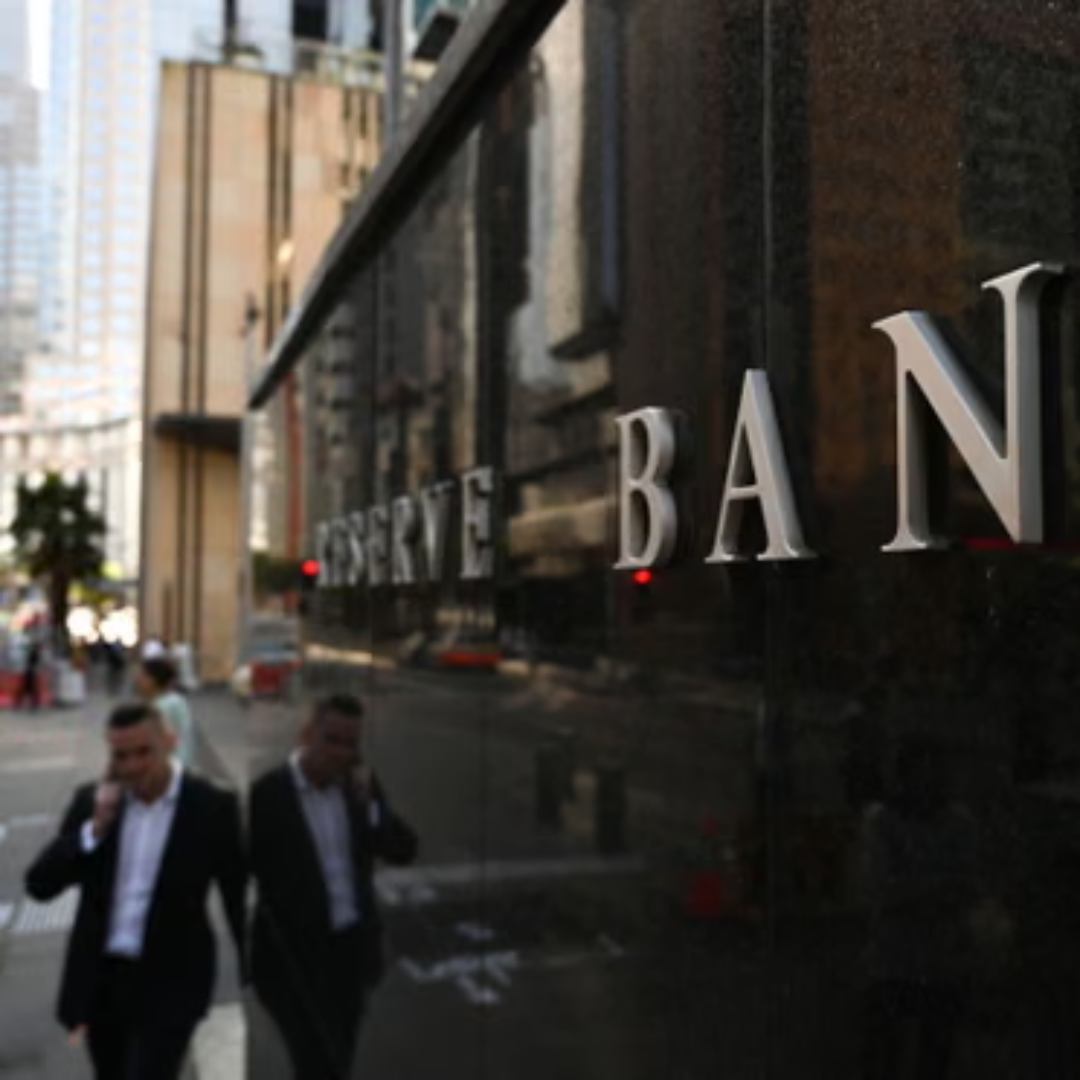
Recent headlines around interest rates, inflation and global economic uncertainty have naturally created concern among borrowers, investors and prospective property buyers. Predictions of further tightening by the Reserve Bank of Australia (RBA), combined with rising fuel prices and geopolitical tensions, have sparked renewed debate about where Australia’s cash rate is heading next.
Yet when we step back from the daily headlines and examine the broader economic context, the current environment appears far less alarming than many assume. Australia’s interest rate cycle is evolving in response to global inflation pressures and domestic economic conditions, but historically speaking, the current level of the cash rate still sits within a relatively moderate range.
For borrowers, particularly those with a mortgage or considering entering the property market, understanding the bigger picture is essential. Interest rates move in cycles, and periods of higher borrowing costs often present different — and sometimes advantageous — opportunities within the property market.
This article examines the key drivers behind current interest rate expectations, the role inflation and global energy prices are playing in the outlook, and why perspective matters when interpreting the direction of Australia’s cash rate.
The current interest rate outlook
The Reserve Bank of Australia has gradually increased the cash rate in response to persistent inflation pressures across the economy. The official cash rate currently sits at 3.85 per cent, following a series of adjustments aimed at keeping inflation within the RBA’s target band of 2 to 3 per cent.
Financial markets are now debating whether another increase may occur in the coming months. While some economists suggested the possibility of a near-term rise, many analysts believe the RBA may pause before reassessing conditions later in the year when further inflation data becomes available.
According to reporting by the Australian Financial Review, money markets recently priced roughly a one-in-three chance of a rate rise in the near term, but expectations remain that if further tightening occurs, it is more likely to take place once the central bank has access to updated quarterly inflation figures. The uncertainty reflects the complex environment policymakers are currently navigating.
Central banks globally are grappling with a delicate balancing act — controlling inflation without unnecessarily slowing economic growth. Australia is no exception.
Inflation remains the central concern
At the centre of the interest rate debate remains inflation.
Consumer prices in Australia have been running above the RBA’s target range for some time. Recent data placed headline inflation around 3.8 per cent, with underlying inflation measures slightly lower but still above the midpoint of the central bank’s preferred band.
When inflation persists above target, the RBA’s primary policy tool is the cash rate. By increasing interest rates, borrowing becomes more expensive, spending slows and price pressures across the economy gradually ease.
However, inflation does not exist in isolation. A range of global factors can influence it, including energy prices, supply chain disruptions and geopolitical events. One of the most closely watched developments in recent months has been the movement in global oil prices.
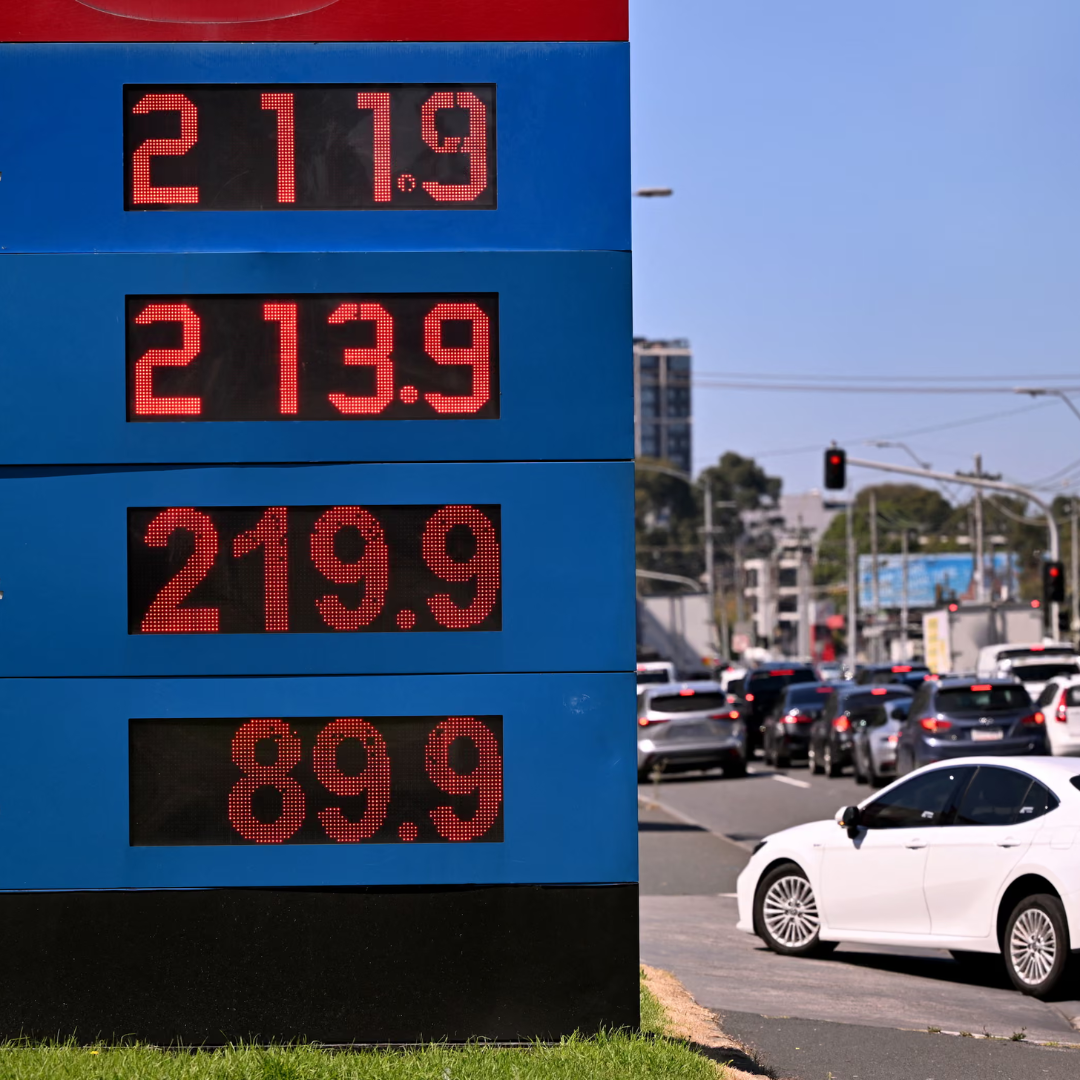
Energy markets have experienced significant volatility following escalating tensions in the Middle East. Global oil prices surged earlier in the year, briefly pushing above US$100 per barrel amid concerns about disruptions to supply routes through the Strait of Hormuz — a key passage responsible for transporting roughly 20 per cent of the world’s oil supply.
Fuel prices are one of the most immediate ways global events translate into domestic inflation. When petrol prices rise, transport costs increase across the economy, affecting everything from freight to food supply chains. For households, this often appears first at the petrol pump but can quickly ripple through the cost of living more broadly.
As petrol prices across Australian cities have climbed above $2 per litre in some locations, inflation expectations among consumers have also lifted. This dynamic is closely monitored by the RBA because rising inflation expectations can lead businesses and households to anticipate ongoing price increases, potentially reinforcing inflation itself.
In short, the central bank must remain vigilant.
Why the RBA may move cautiously
Despite these inflation pressures, the RBA is also mindful of broader economic conditions.
Australia’s labour market remains relatively strong, with unemployment hovering around the low four per cent range. Economic growth, while moderating from the post-pandemic recovery, has remained resilient. These indicators provide some support for the economy even as interest rates sit higher than in recent years.
However, central banks are typically cautious about reacting too quickly to short-term shocks. Energy price spikes driven by geopolitical events may prove temporary if global supply conditions stabilise.
This is why many economists believe the RBA may prefer to review additional data before making further adjustments to the cash rate. Waiting for the next comprehensive inflation update allows policymakers to assess whether current pressures are temporary or likely to persist.
The result is a more measured approach to monetary policy — one that balances inflation control with economic stability.
Perspective from Australia’s historical cash rate
One of the most important elements often missing from discussions about interest rates is historical perspective.
While borrowers understandably focus on how interest rate movements affect their mortgage repayments, the current cash rate remains well below levels experienced in previous decades.
During the early 2000s, the RBA cash rate commonly sat between 5 and 7 per cent. In earlier cycles, rates moved even higher. Many Australian households purchased property and managed mortgage repayments during these periods without the benefit of the historically low borrowing costs seen during the pandemic era.
This context matters.
The ultra-low interest rate environment that emerged during COVID-19 — where the cash rate fell to just 0.10 per cent — was highly unusual in historical terms. It reflected extraordinary economic circumstances rather than a long-term norm.
Today’s interest rate environment therefore represents more of a normalisation than an extreme tightening cycle.
For borrowers, understanding this historical context can help reduce the sense of uncertainty created by short-term headlines. Interest rates are not static — they move through cycles in response to economic conditions.
What higher interest rates mean for mortgage borrowers
For households with a mortgage, rising interest rates naturally increase repayment costs. This can place pressure on household budgets, particularly for borrowers who secured loans during periods of exceptionally low interest rates.
However, higher interest rates also encourage borrowers to reassess their lending arrangements.
Many homeowners are now reviewing their mortgage structure to ensure they remain on competitive interest rates and appropriate loan terms. In some cases, refinancing can reduce borrowing costs or improve flexibility.
Working with an experienced broker or finance professional can help borrowers navigate these options. For example, UFinancial Group regularly assists clients in reviewing their existing loans and exploring opportunities through refinancing strategies that may better suit their financial goals.
Borrowers seeking to reassess their current mortgage structure can explore options through UFinancial Group’s refinancing services, available here:
https://ufinancial.com.au/refinancing/
Refinancing may allow borrowers to consolidate debt, secure more competitive interest rates or adjust loan features to better manage repayments in a changing rate environment.

The property market in a higher interest rate environment
Interestingly, higher interest rate environments often create different dynamics within the property market — and in some cases, opportunities for buyers.
When borrowing costs rise, overall demand in the property market typically moderates. Some buyers delay purchasing decisions due to affordability concerns, which can reduce competition for available properties
This shift can lead to several outcomes:
- Property prices may stabilise after periods of rapid growth.
- Buyers may have access to a broader range of properties.
- Negotiating conditions can become more favourable for purchasers.
In highly competitive markets, buyers often face intense bidding pressure and limited property supply. When interest rates increase and market activity slows slightly, the balance between buyers and sellers can become more even.
For buyers who are financially prepared, this environment may present opportunities to purchase property with greater certainty and less competition.
Importantly, property remains a long-term asset. Short-term interest rate fluctuations are only one factor within the broader lifecycle of property ownership.
Understanding interest rate cycles
Economic cycles are a normal part of any developed economy.
Periods of rising interest rates typically follow phases where inflation has increased beyond sustainable levels. Central banks respond by tightening monetary policy, slowing economic activity slightly to bring inflation back under control.
Once inflation moderates and economic conditions stabilise, interest rates may eventually ease again.
For borrowers, the key takeaway is that interest rate cycles are temporary. They reflect broader economic adjustments rather than permanent shifts.
This is why financial planning should focus on long-term resilience rather than reacting to individual rate movements.
Borrowers who maintain manageable debt levels, review their mortgage structure regularly and seek professional advice are generally better positioned to navigate changing rate environments.
The role of financial guidance during uncertain times
Periods of economic uncertainty often reinforce the value of professional financial guidance.
Mortgage structures, lending options and interest rate strategies can vary significantly depending on individual circumstances. A solution that suits one borrower may not be appropriate for another.
Finance professionals play an important role in helping borrowers understand their options, assess risks and develop strategies aligned with their long-term goals.
At UFinancial Group, advisers regularly work with clients to review existing lending arrangements, evaluate refinancing opportunities and provide guidance on navigating interest rate changes.
Early engagement can be particularly beneficial when interest rates are shifting. Borrowers who proactively review their mortgage position often have more flexibility to adjust their strategy if required.
Looking ahead
While the outlook for interest rates remains uncertain in the short term, the broader economic picture remains relatively stable.
Inflation pressures are being carefully monitored by the Reserve Bank, and policymakers continue to balance the need for price stability with the importance of supporting economic growth.
Global developments — including energy prices and geopolitical events — may continue to influence inflation and the cash rate outlook. However, Australia’s economic fundamentals remain comparatively strong.
For borrowers and property buyers, maintaining perspective is critical. Interest rate cycles are a normal part of economic management, and the current level of the cash rate remains moderate compared with historical standards.
Rather than focusing solely on short-term rate movements, borrowers should prioritise financial resilience, long-term planning and informed decision-making.
Speak with UFinancial Group
If you currently have a mortgage, are considering refinancing or want to better understand how interest rate movements may affect your financial position, speaking with an experienced finance professional can provide clarity and confidence.
UFinancial Group works with borrowers across Australia to review lending structures, explore refinancing opportunities and develop strategies that align with evolving interest rate conditions.
To discuss your mortgage options or review your current loan, contact the team at UFinancial Group today. A proactive approach to managing your finances can make a meaningful difference in navigating today’s interest rate environment and preparing for the years ahead.
Disclaimer: The content of this article is general in nature and is presented for informative purposes. It is not intended to constitute tax or financial advice, whether general or personal nor is it intended to imply any recommendation or opinion about a financial product. It does not take into consideration your personal situation and may not be relevant to circumstances. Before taking any action, consider your own particular circumstances and seek professional advice. This content is protected by copyright laws and various other intellectual property laws. It is not to be modified, reproduced, or republished without prior written consent. Content developed in partnership with IFPA.
Subscribe to our newsletter to read about ‘All things finance’
At UFinancial, we love talking about finance-related matters. From home loans and refinancing to financial planning, investing, and tax.

